
More Than
20
Years Of Experience
salted casings
Why Salted Casing Matters in Today's Industrial Scene After more than a decade dealing with industrial equipment-from dusty conveyor belts to salt-exposed processing gear-I've grown pretty familiar with the subtle but pesky problem of corrosion. There's this constant battle against elements that'd love to eat your steel alive. That's where salted casing comes in. If you haven't deep-dived into this stuff yet, salted casing essentially acts like an armor layer, specially designed to withstand salt, moisture, and other environmental insults that standard casings can't handle. Some folks underestimate the importance of the casing material until rust starts creeping on their conveyor systems or lining their machinery. By then, well-it's already a headache. The salty environments, especially near coastal plants or salt processing facilities, demand a casing that doesn't just resist but thrives under these tough conditions. Design and Material Considerations for Salted Casing Now, salted casing might sound straightforward, but there's some real engineering craft in making them right. Generally, these casings are fabricated from corrosion-resistant alloys or treated steel forms, often infused or coated to enhance longevity. What I notice is the growing trend toward custom-built casings that bike precisely to the application whether for conveyors, storage tanks, or processing units. This tailoring means manufacturers really think about thickness, surface treatments, and bolt patterns to make installation and future maintenance painless. Interestingly, nearly every plant I've worked with has slight variations in how salt infiltrates their assets-humidity, splash zones, chemical mixes-all factored into the choice of the casing. It's never just one-and-done; it's about tuning in to local conditions. Salted Casing - Typical Product Specifications Specification Details Material Saltwater-resistant steel alloy with anti-corrosive coating Thickness 5mm to 12mm depending on application Coating Zinc-rich primer plus epoxy topcoat Dimensions Custom cut to fit conveyors, tanks, or frames Warranty Typically 3-5 years against corrosion damage In the Field_ How Salted Casing Performs and Some Customer Insights From my experience, some of the best stories come directly from the shop floor. Take a midsized salt mining operation I consulted for last year. Their conveyor casings kept failing after two seasons. Replacing with salted casing solutions, custom fitted and coated, stretched their lifecycle from an average 18 months to well over 4 years. Those extra years felt like a huge saving on downtime and repair costs. The tricky bit, though, was the initial installation-getting the dimensions and mounting right needed a hands-on approach. Oddly enough, many engineers say the real test is not just how the casing holds up under salt attack, but how easy it is to maintain. If you design for quick bolt replacements and patching, you end up saving weeks of service interruptions later-a lesson I learned the hard way. Comparing Top Salted Casing Vendors There's quite a variety out there, and I tend to lean on vendors who combine solid field experience with customization capacity. Here's a quick rundown of three major players I've seen in action_ Vendor Material Quality Customization Price Range Lead Time RTCasing High-grade steel with proprietary coatings Full custom sizing and bolt patterns Mid to High 3-4 weeks CorroShield Standard stainless with epoxy finish Limited customization Low to Mid 2-3 weeks SaltDefend Marine-grade aluminum alloy Custom options on request High 4-6 weeks While price and lead time are always tempting metrics, honestly, material quality and adaptability often win out in the long haul. I've seen cheaper casings shed coatings within the first year, causing headaches and surprise costs downstream. In real terms, if you're dealing with salty or marine-adjacent operations, investing in reliable salted casing isn't just about surviving the environment-it's about keeping your whole production line humming without frequent, costly shutdowns. So yeah... salted casing might sound niche or technical, but if you've ever been elbow deep in rusty conveyor repairs, you know it's pretty much a linchpin in industrial durability. References & Final Thoughts 1. Personal field experience with salt-exposed industrial equipment (2012-2023) 2. RTCasing product literature and technical data sheets 3. Industry white papers on corrosion resistance in processing plants Hope this gives a solid snapshot of salted casing's value without drowning you in jargon. If you want tough and tailored protection, salted casing is definitely worth a closer look-because in industrial environments, every bit of extra durability counts.
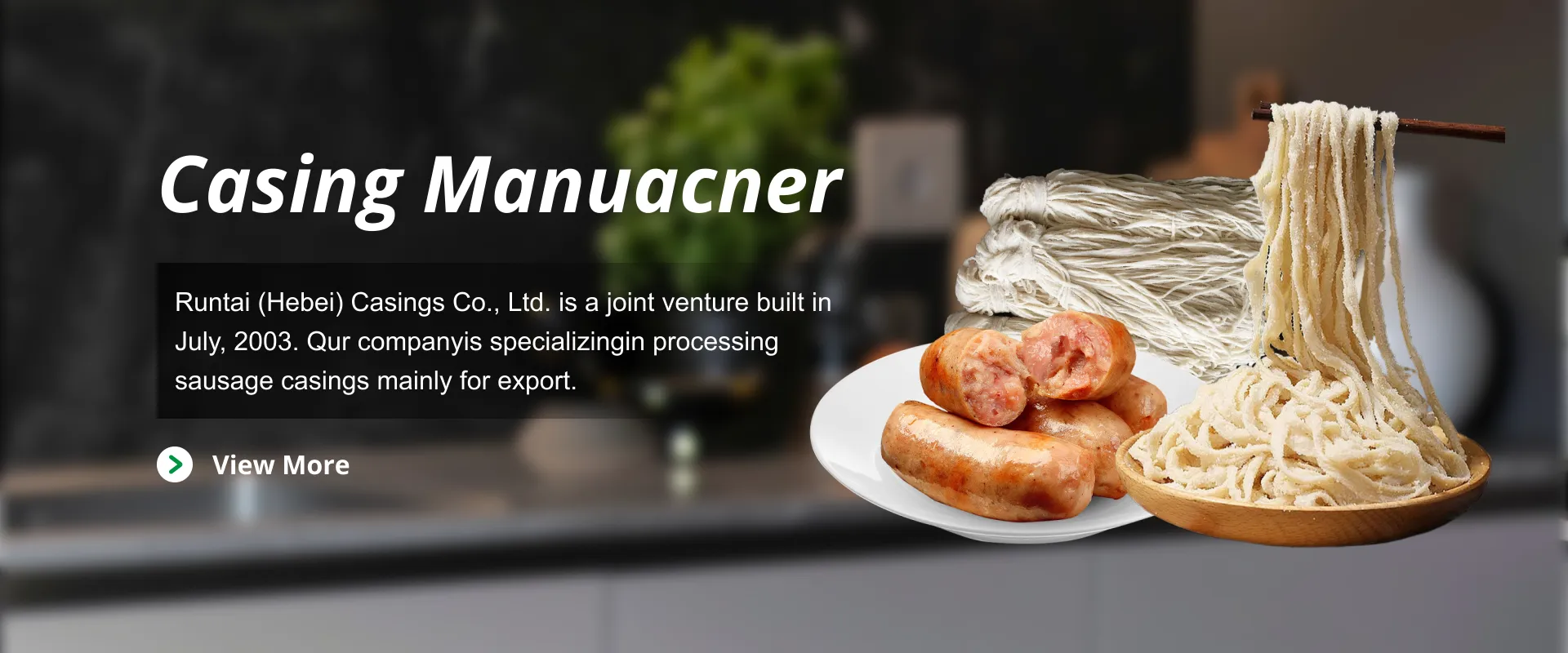
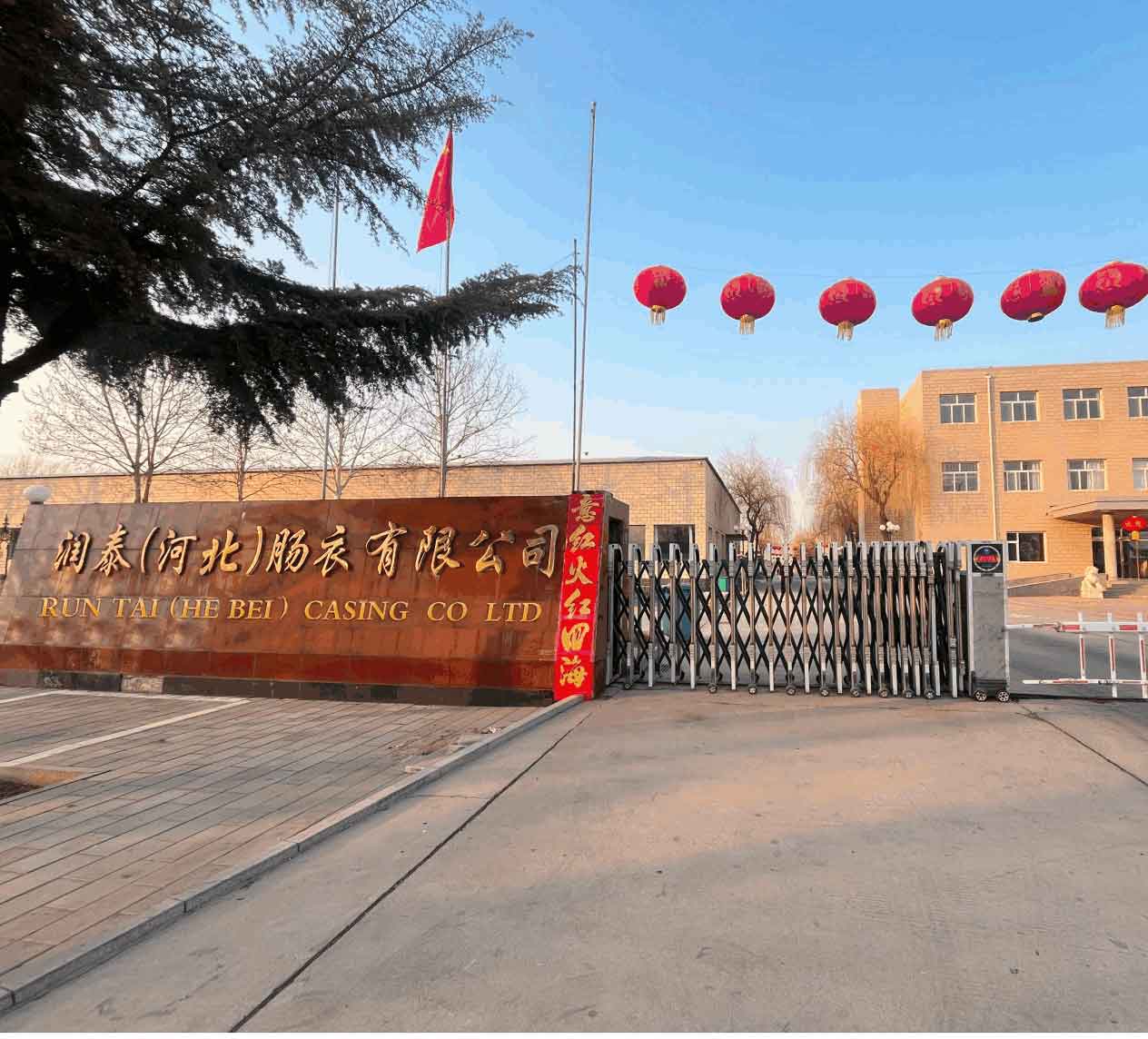
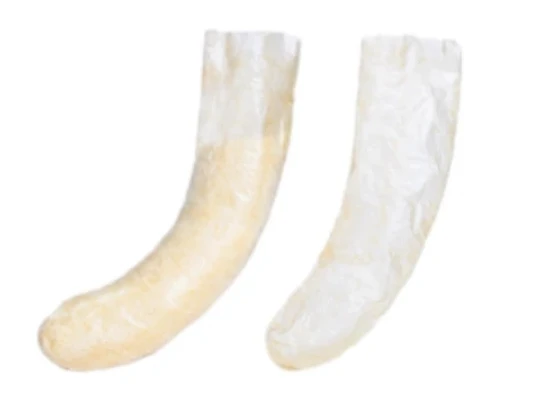
Runtai(Hebei) Casings Co., Ltd, established in 2003, specializes in processing and exporting high-quality natural sausage casings.
-
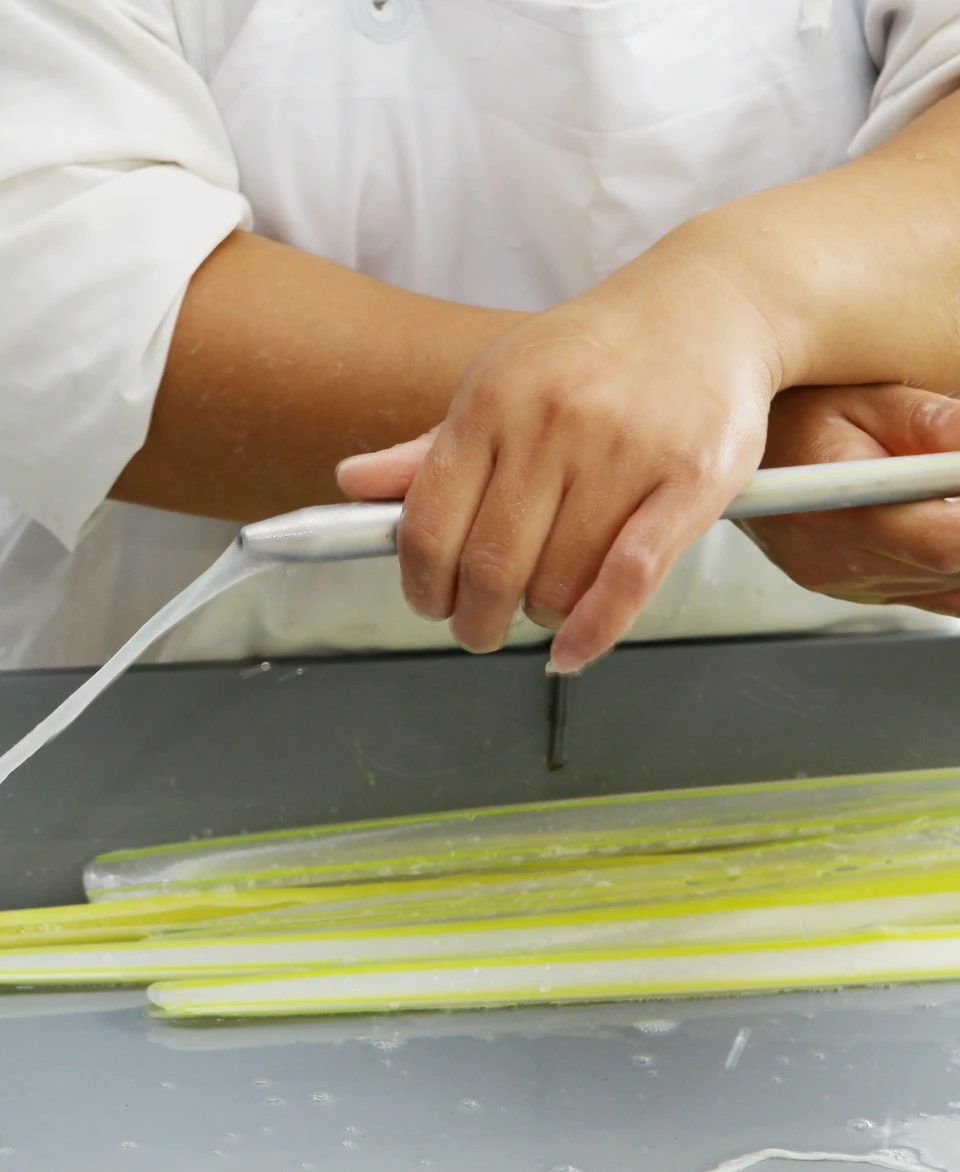

 Rich production experience
Runtai(hebei) casings co., ltd was established in july 2003,More than 20 years of production experience
-
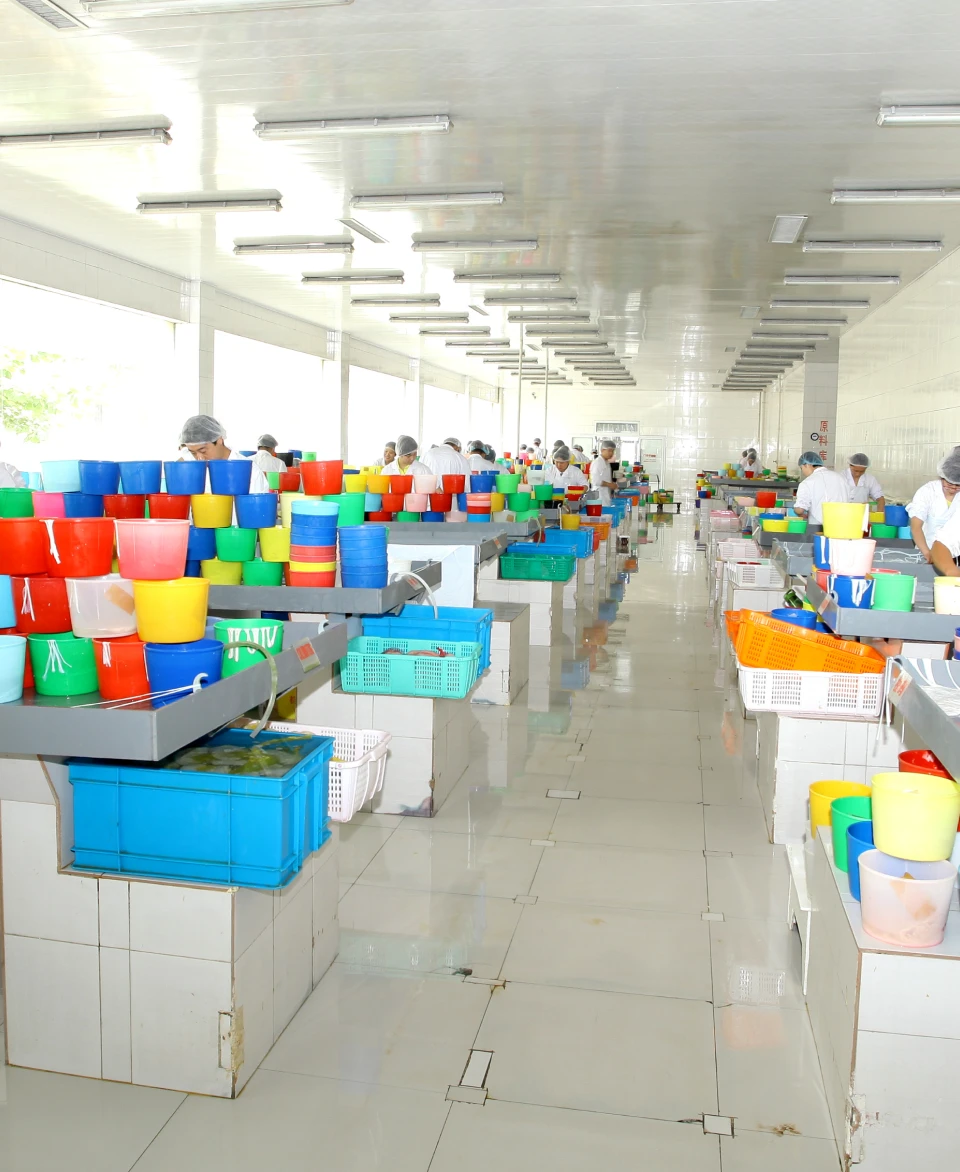

 Professional technicians
Runtai(hebei) casings co., ltd has a total of 200 employees includig 170 skilled workers and 30 management staff with academic diplomas.
-


 High yield
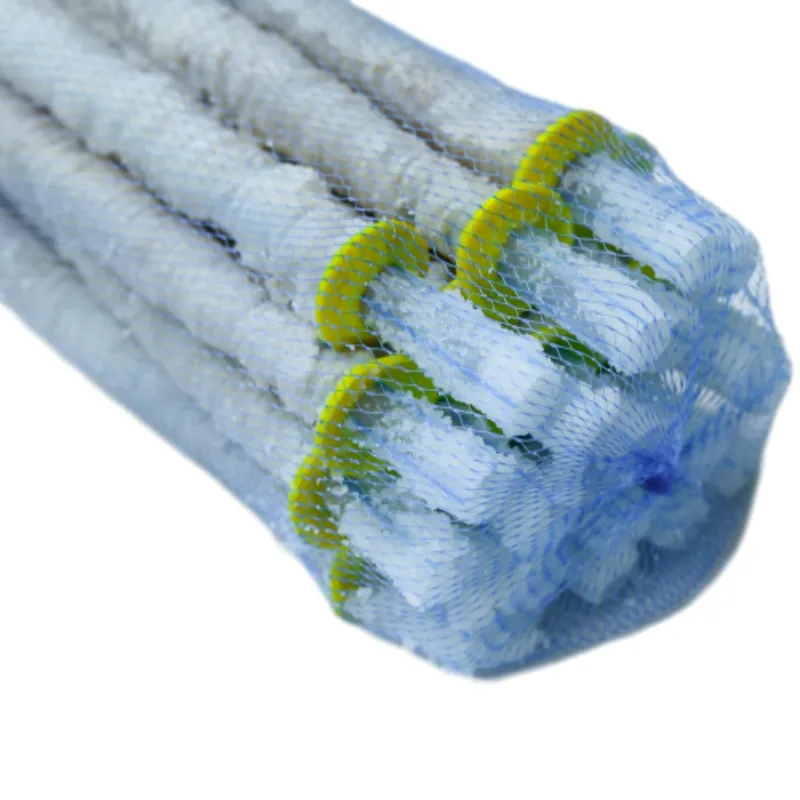
The annual production amounts to 10,000 casks of salted hog casings, 2,000casks of salted sheep casings, 15 million pieces of dried tubed hog casings. all the products are mostly for export.
-


 Large plant scale
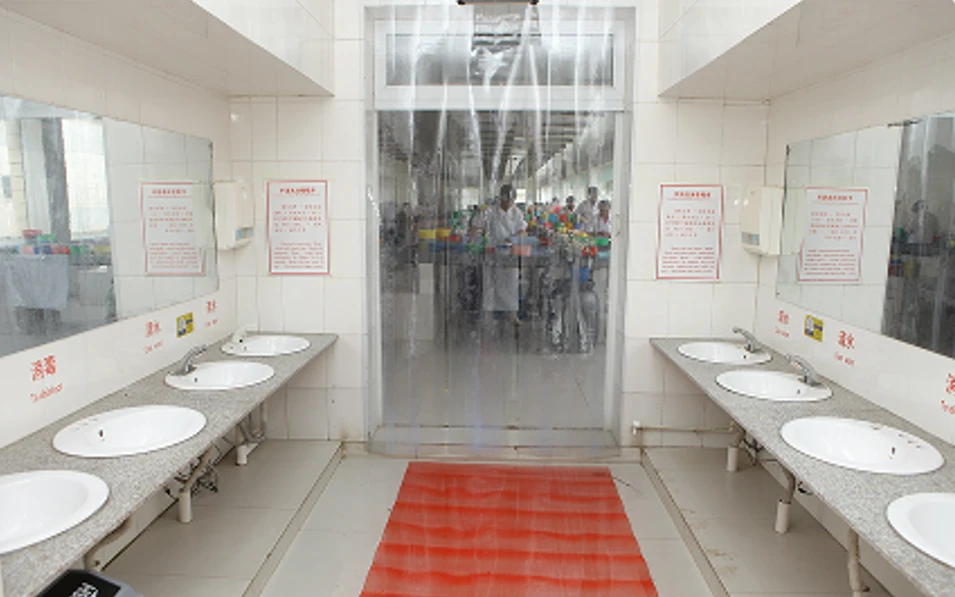
Our company covers an area of 13,000 square meters, with four registered workshops in line with EU health standards, each workshop is equipped with a cold storage that can accommodate 1200 tons of goods
Whether for dried or salted casings, Runtai delivers durability, flexibility, and natural flavor—perfect for artisanal and industrial sausage production.

-
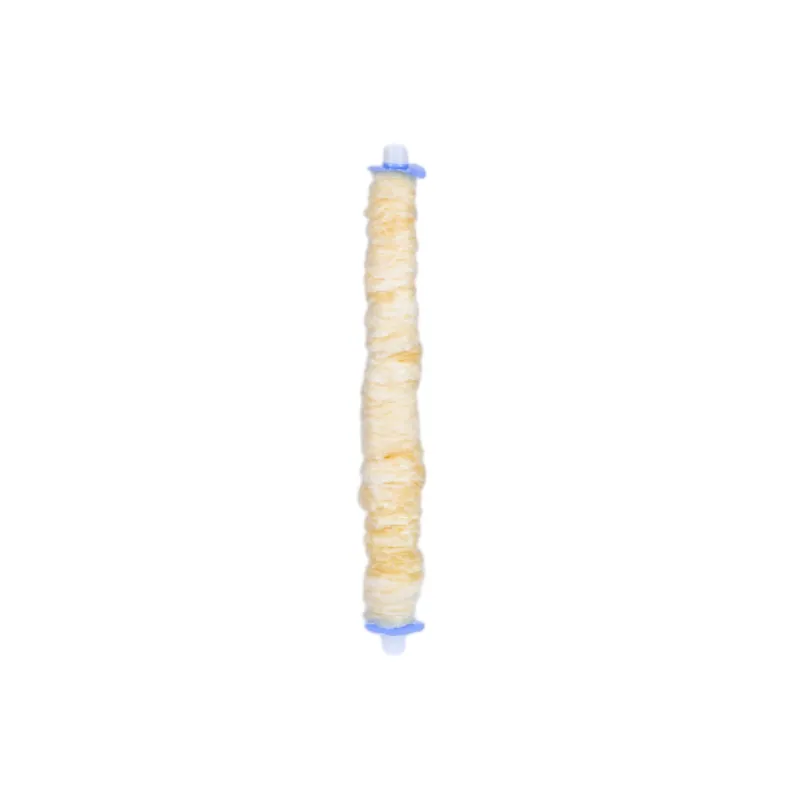 2026-06-15 21:53Dried Hog Casing - RUNTAI _ Quality, Efficiency, Innovation
Introduction In the dynamic world of food production, the choice of sausage casings plays a pivotal
-
2026-06-15 21:38Premium Natural Sheep Casing for Sale _ Your Salted Casings Supplier
sheep casing for sale,salted sheep casing,salted sheep casing supplier,natural sheep casings,24 26mm
-
2026-06-15 20:19Natural Hog Casings for Sale _ Premium Sausage Skins
Global Market Trends in Sausage Production | Quality Standards | Technical Parameters Manufacturer I


